The 30-Second Exam Hall Shortcut: ⚡ PCR Triad Temperature Trap
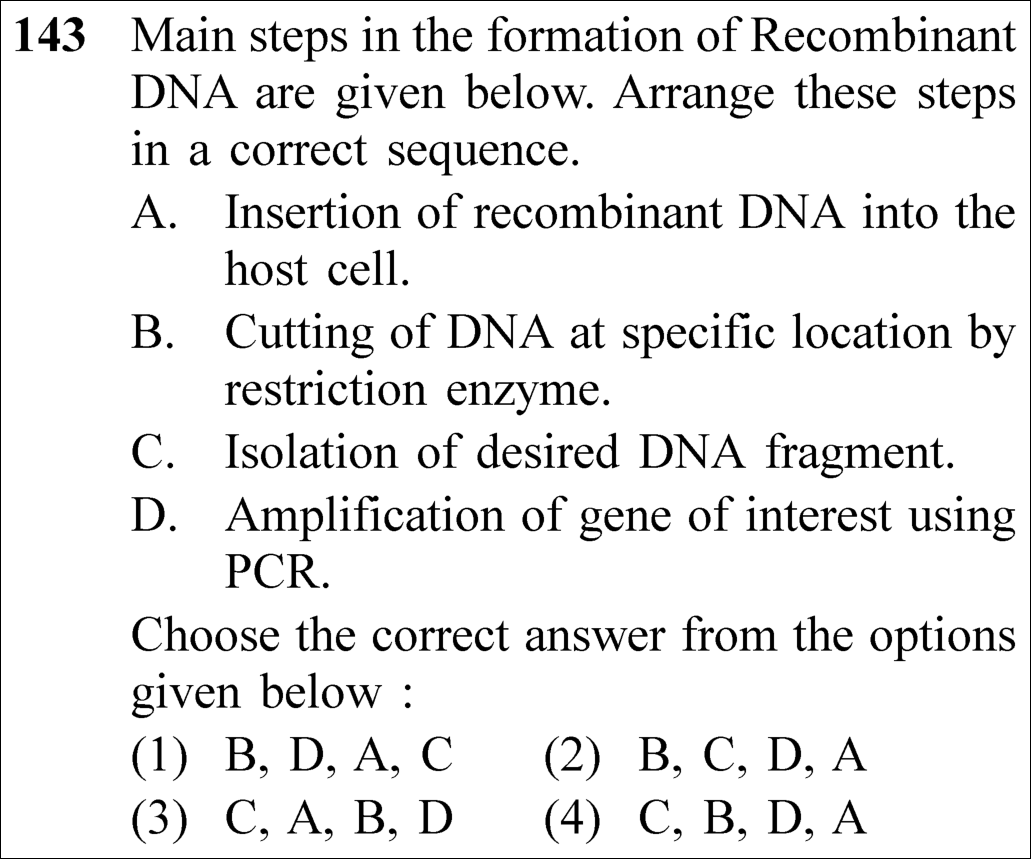
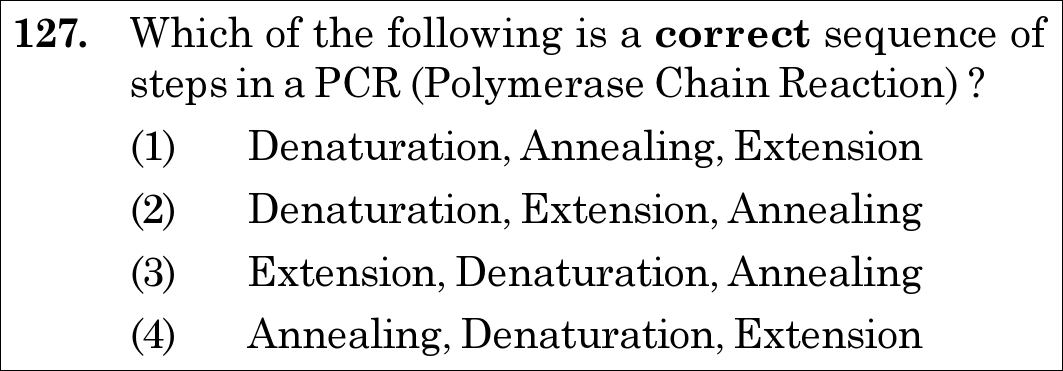
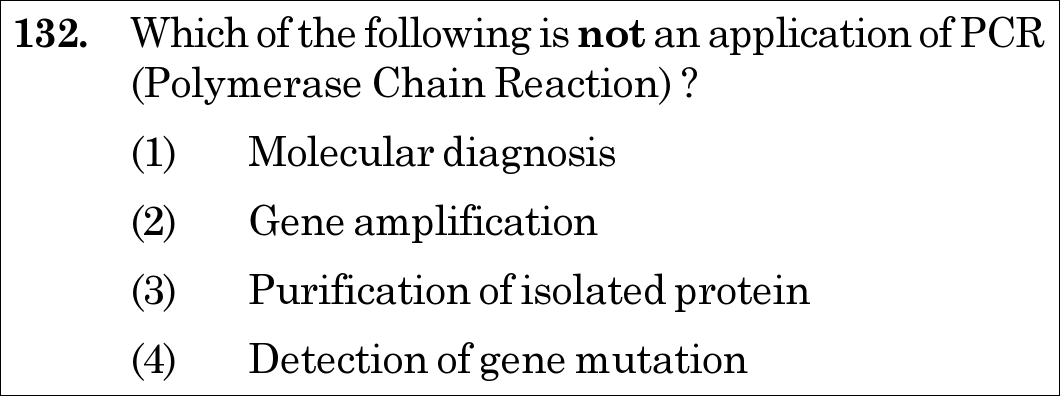
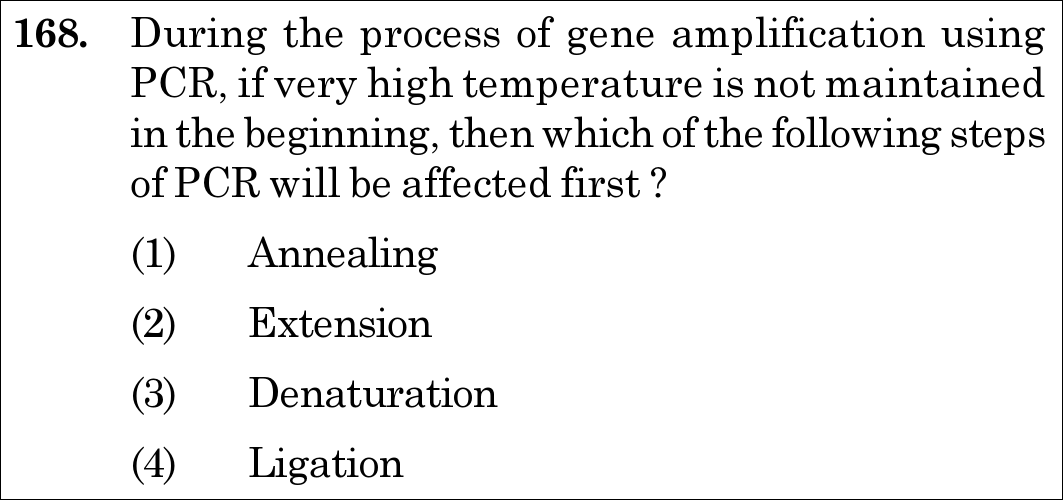
Denature (94°C) -> Anneal Primers (50-60°C) -> Extend (72°C)!
Step-by-Step Rigorous Workflow & Mathematical Proof
Mechanism of Annealing in PCR
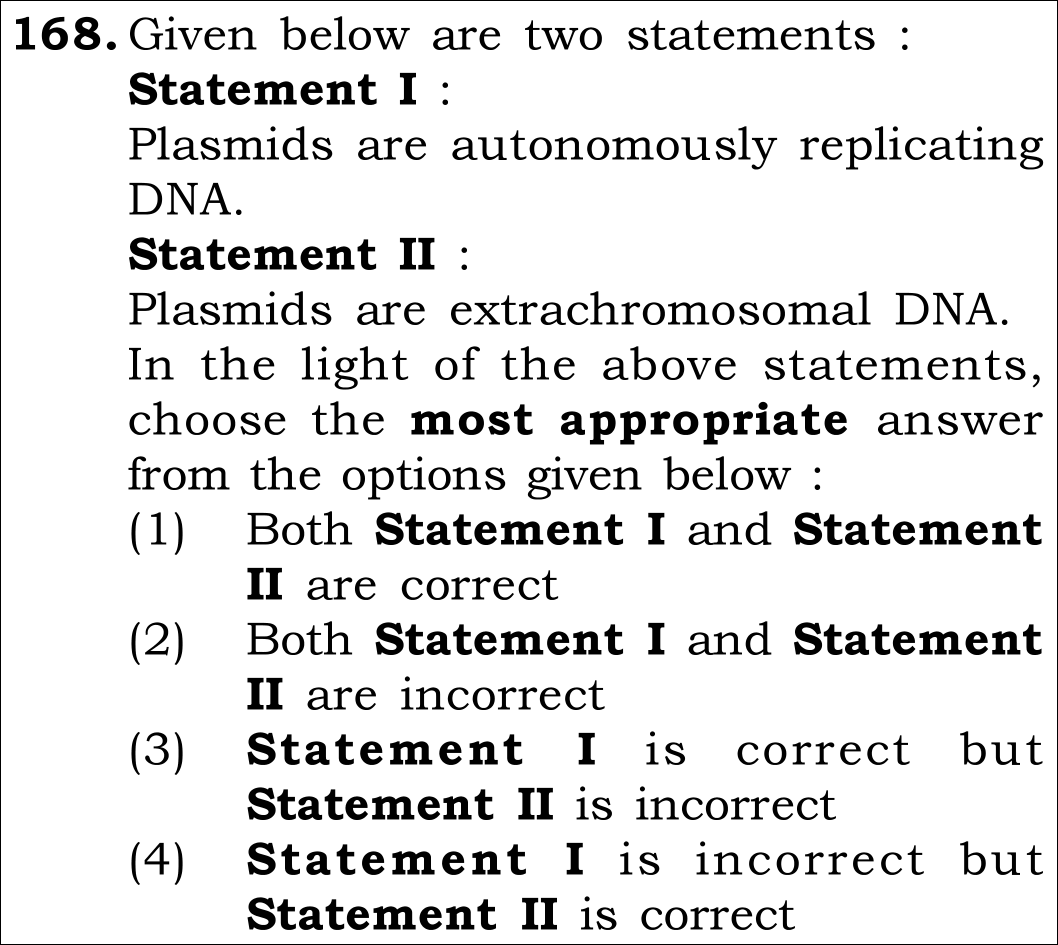
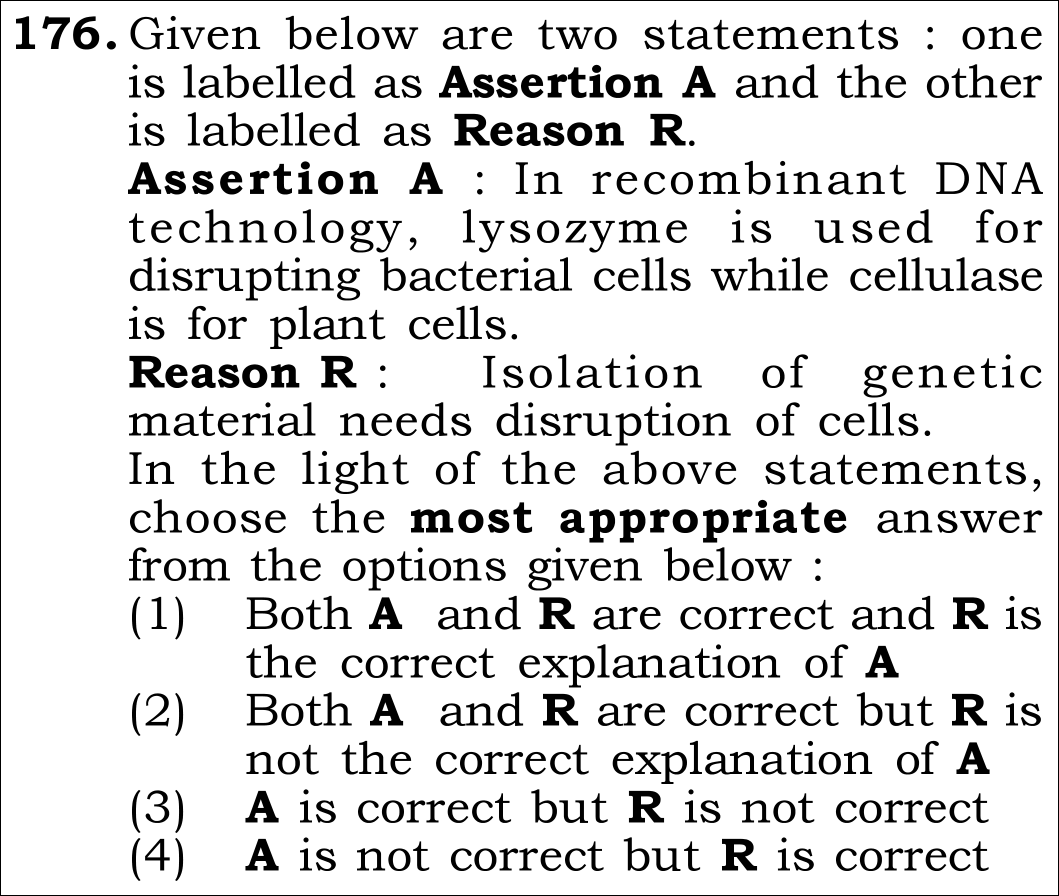
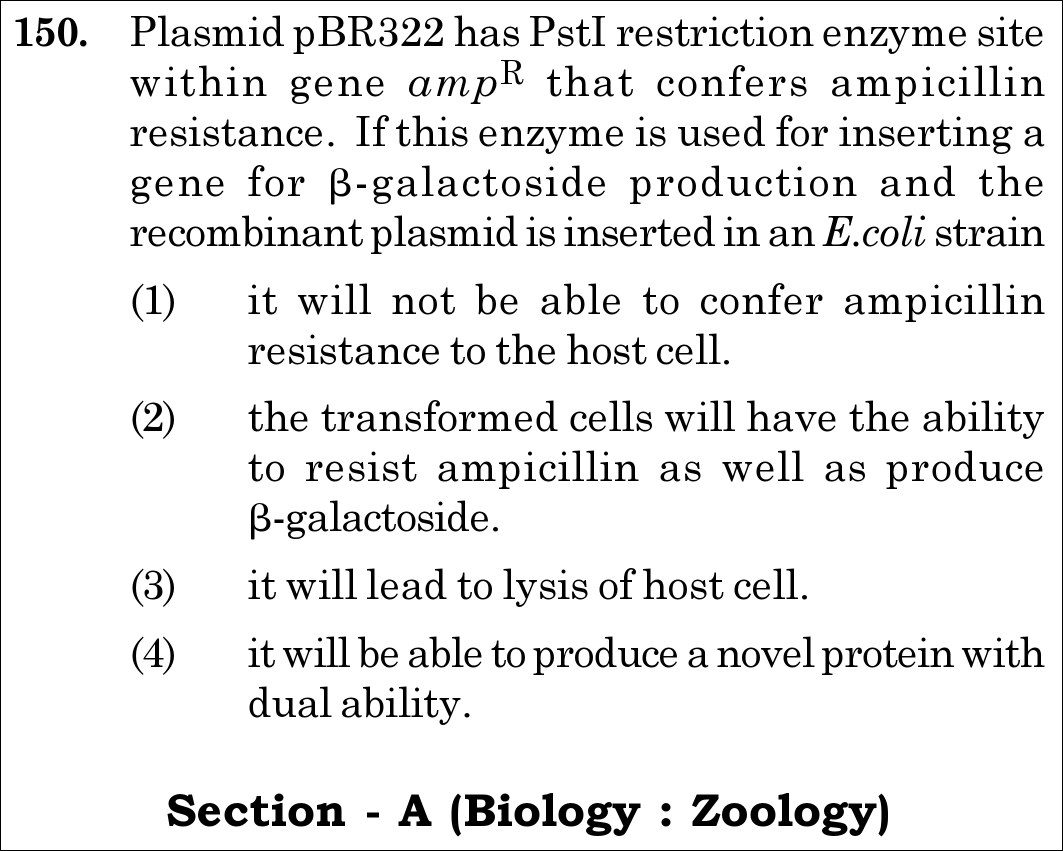
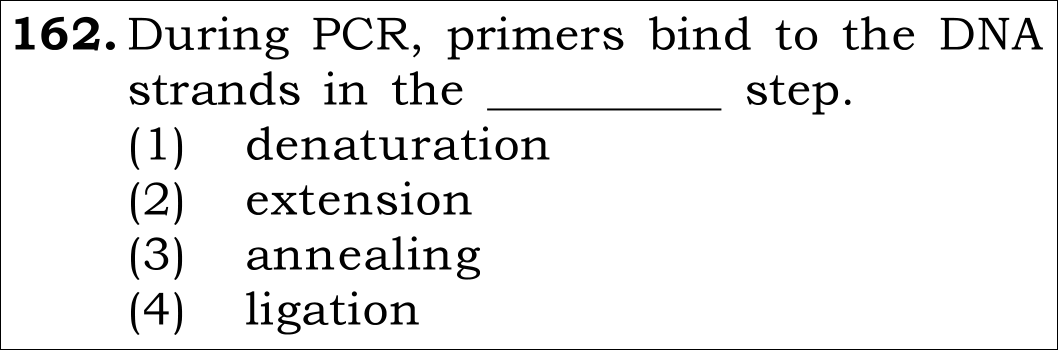
Annealing involves the hybridization of two sets of oligonucleotide primers to the single-stranded template DNA at an optimal temperature (typically 50–60°C).
- • Primers are small chemically synthesized oligonucleotides complementary to the regions of DNA.
Contrast with Denaturation and Extension
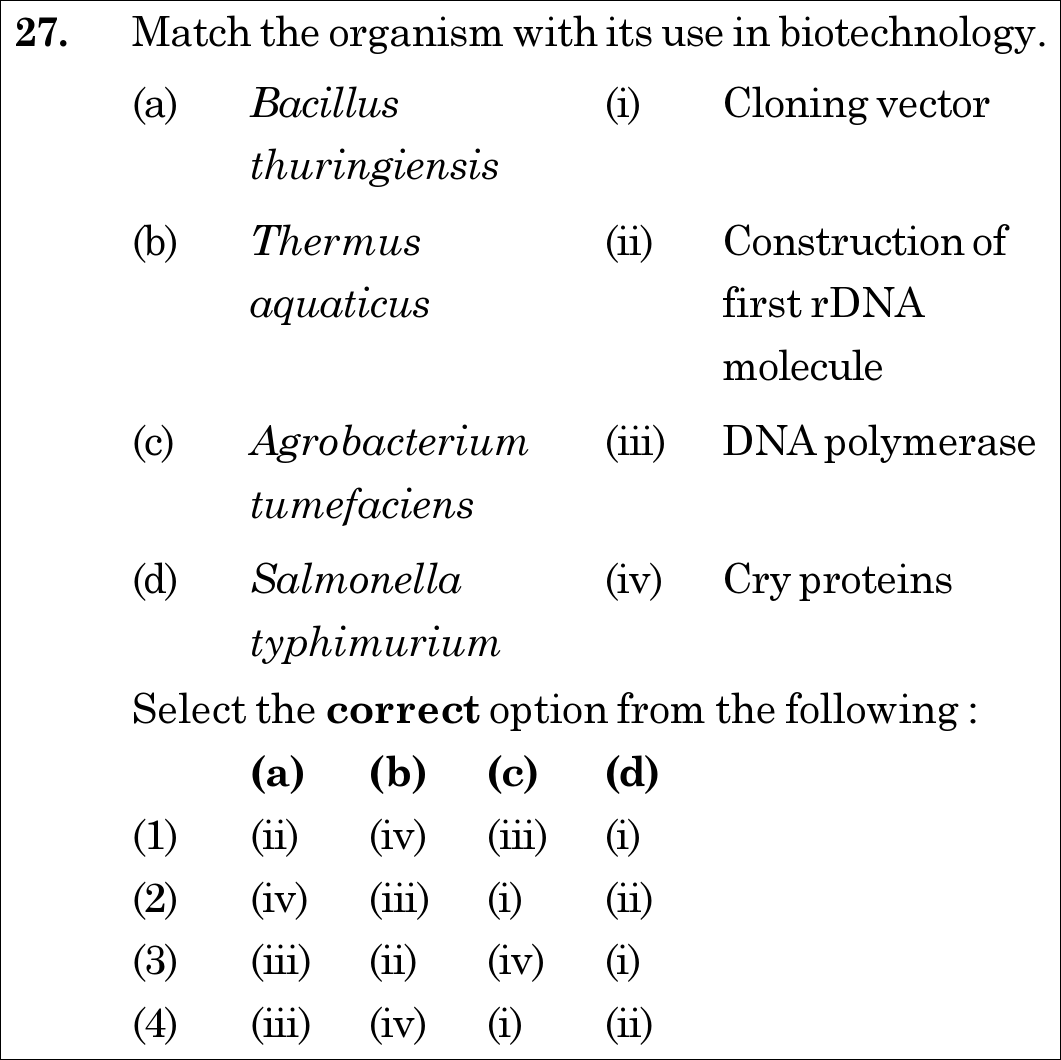
Denaturation uses heat (~94°C) to break hydrogen bonds between complementary strands. Extension (~72°C) uses thermostable DNA polymerase (Taq polymerase isolated from Thermus aquaticus) and dNTPs to extend the primers.
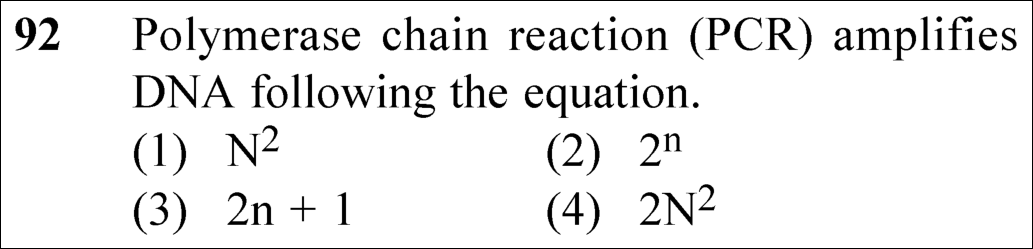
- • Repeated cycles achieve billion-fold amplification (~10⁹ times).
360° Option Elimination Engine Key Feature
Diagnose every choice: Know exactly why the right option works and why distractors fail.
Incorrect. Denaturation is the thermal separation of double-stranded DNA into single strands, not primer binding.
Incorrect. Extension is the primer elongation phase catalyzed by Taq polymerase at ~72°C.
100% correct. Annealing is the specific PCR step where oligonucleotide primers bind to complementary single strands of DNA.
Incorrect. Amplification is the overall outcome of the entire multi-cycle PCR process, not an individual step.
NTA Trap Alert: Confusing Annealing with Extension
Some students confuse annealing (putting primers on) with extension (running down the track synthesizing DNA). Annealing attaches primers; extension elongates them.
Core NEET Syllabus Standard
"PCR consists of three steps: Denaturation, Annealing (primer binding), and Extension."